
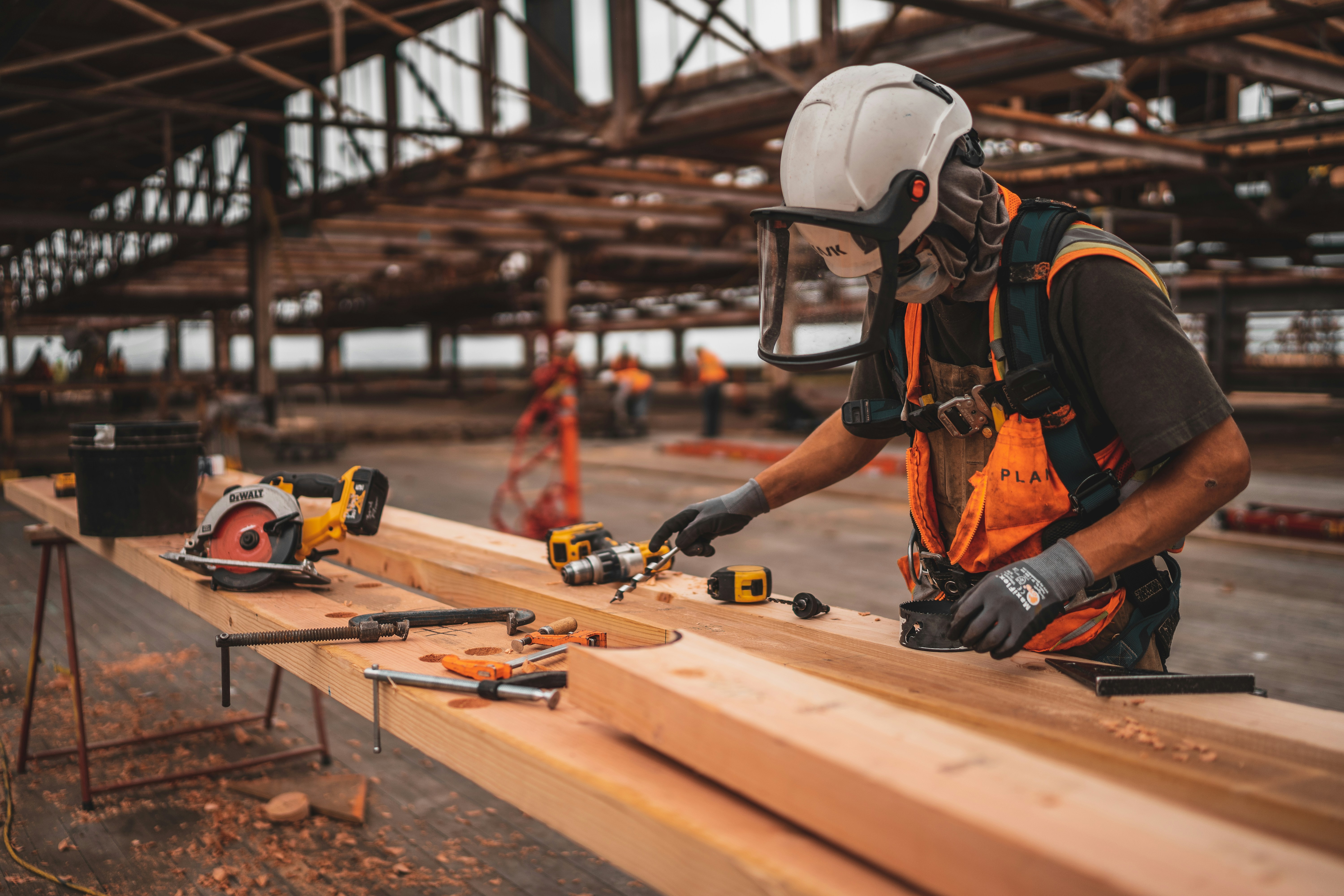
 Managing costs is part of every successful project. When hired equipment is planned properly and used well, it keeps work moving efficiently without tying up costs or space.
Hiring should give you flexibility - access to the right tools, when you need them, without maintenance or storage concerns. But like any part of a project, it works best with the right approach.
With a bit of planning and clear coordination, you can stay in control of hiring costs all year round.
In this guide, we’ll share straightforward, practical ways to get more value from your equipment hire, helping you protect your budget while keeping jobs on track.
Understand Where Hiring Costs Actually Add Up
Hire costs rarely increase because of the rate alone. More often, it’s how equipment is managed on site.
Common areas where costs creep in include:
- Short-term hires that keep getting extended
- Equipment sitting idle but still on hire
- Choosing the wrong tool for the job
- Delays in delivery or collection
- Damage caused by misuse or poor handling
A quick review of these areas can often highlight easy savings without changing what you hire - just how you manage it.
Plan Ahead to Avoid Reactive Hiring
Last-minute hires limit your options. You may end up taking what’s available rather than what’s right.
Booking in advance helps you:
- Secure the correct equipment
- Avoid downtime waiting for availability
- Keep projects running to schedule
It’s also worth factoring in seasonal demand. Summer can bring higher pressure on availability, while winter projects may require different or additional equipment.
Building a simple hire schedule alongside your project timeline keeps everything aligned and reduces unnecessary extensions.
Choose the Right Equipment First Time
The right equipment keeps work moving. The wrong equipment slows everything down.
Overpowered equipment can mean unnecessary cost, while underpowered equipment can lead to delays and longer hire periods.
If you’re unsure, ask.
An experienced hire provider can help make sure you have:
- The correct specification for the job
- The right accessories are included
- Equipment that’s ready to use and properly maintained
Getting it right the first time avoids wasted delays and unnecessary changes.
Reduce Idle Time on Site
Equipment should arrive when it’s needed, not days before.
Poor coordination between trades can mean machines sit unused while other work gets completed. That time still counts for hire.
Keep things efficient by:
- Scheduling deliveries carefully
- Communicating clearly across teams
- Off-hiring equipment as soon as work is complete
If it’s not being used, it’s costing you.
Hire vs Buy: Know When Hiring Saves You Money
Hiring often makes more financial sense than buying, particularly for specialist or occasional-use equipment.
Buying brings additional costs:
- Upfront purchase price
- Maintenance and repairs
- Storage
- Insurance
Hiring gives you flexibility. You can take what you need, for as long as you need it, without long-term commitment.
It’s especially useful for:
- Short-term projects
- Specialist tools
- Equipment used infrequently
That flexibility helps protect cash flow and keeps budgets under control.
Cheap rates don’t always mean lower costs overall
A lower day rate doesn’t always mean better value.
Unreliable equipment can lead to breakdowns and delays. That lost time often costs more than the savings.
Working with a trusted supplier also means:
- Access to a wide range of equipment
- Delivery and collection services
- Consistent service across projects
- Regular maintenance and safety checks on all machinery
The right partner protects your time as much as your budget.
Train Your Team to Use Equipment Properly
How equipment is handled on-site has a direct impact on cost.
Misuse can result in:
- Damage charges
- Project delays
- Reduced efficiency
The following steps help avoid this:
- Make sure operators understand the correct use
- Follow safety guidance
- Assign clear responsibility for the equipment on site
A small investment in awareness can prevent higher costs later.
Consolidate Your Hiring Where Possible
 Using multiple suppliers can make hiring expenditure harder to track and manage.
Different rates, different standards and separate deliveries can quickly become complicated.
Working with one reliable supplier often leads to:
- Clearer cost visibility
- Simpler logistics
- More consistent equipment quality
- Better long-term working relationships
It also makes reviewing your overall spend much easier.
Keeping Costs Down Starts With Smarter Decisions
Keeping hire costs under control comes down to a few simple things - planning ahead, choosing the right equipment, and making sure it’s used when and where it’s needed.
Small adjustments on site can make a big difference over the course of a project, especially when everything is working to the same plan.
With the right approach, hiring stays flexible, efficient and cost-effective all year round.
Need a hand getting set up? Speak to the team at PSM Plant Hire on 020 8850 5658 or get in touch here. We’ll help you find the right equipment for your project and keep everything running as it should.