
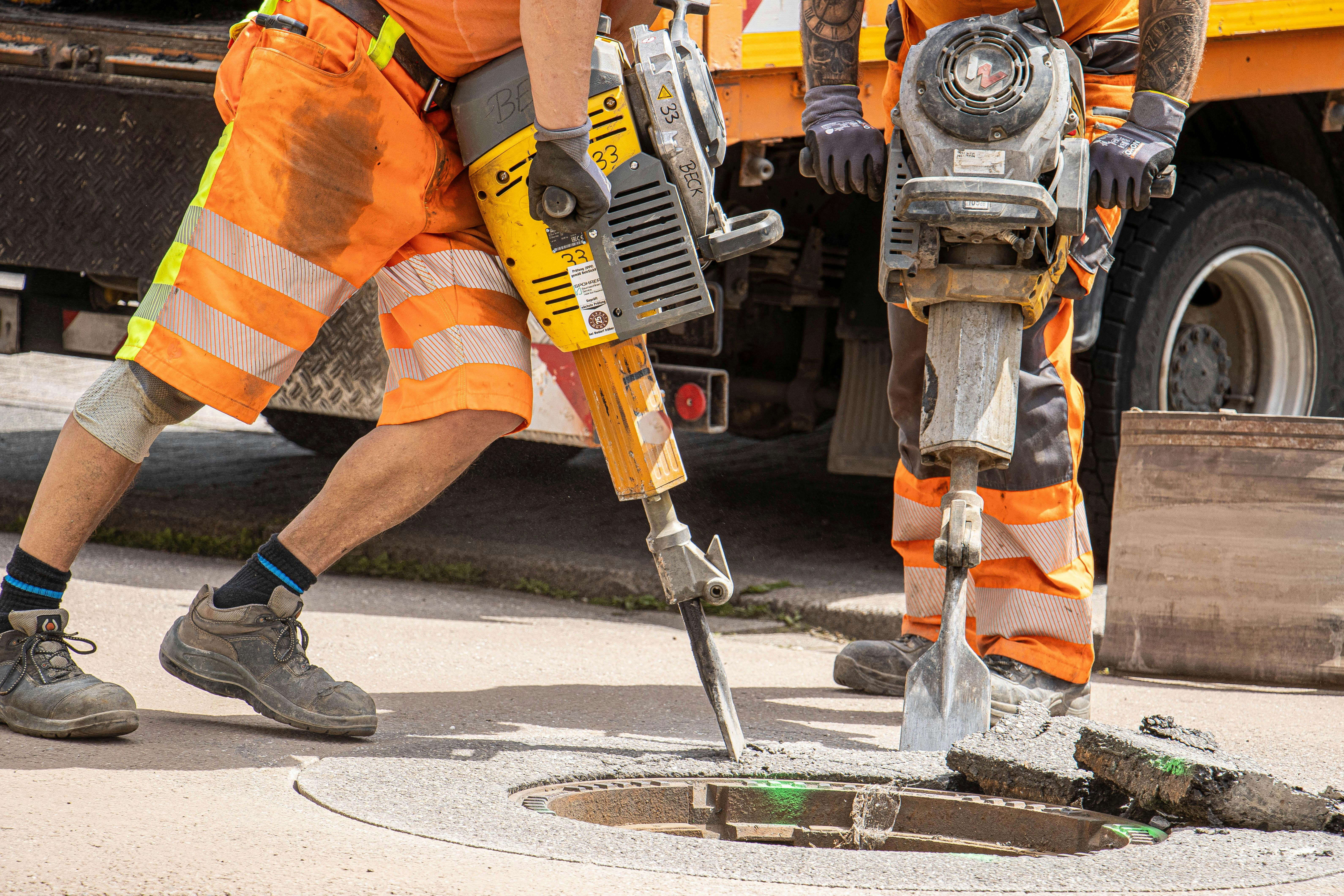
 Taking on concrete demolition can feel like a real challenge - one that demands the right approach, not just brute force. To achieve professional results safely and efficiently, you’ll need reliable equipment and a solid understanding of the best practices.
At PSM Hire, we make tough jobs simple. Our professional-grade breakers and drills are designed to provide power and precision every time.
Choosing the right breaker doesn’t have to be confusing. In this guide, we’ll break down the options, helping you make the best choice for your project. Keep reading to learn more.
What is a Breaker and Why is it Important?
A breaker, also known as a demolition hammer or jackhammer, is a powerful tool used to break through tough materials such as concrete, asphalt, and rock. Its rapid, percussive force makes even the hardest surfaces easier to conquer.
But not all breakers offer the same benefits. Picking the right size and power matters. "The material you’re breaking, the size of the job, and whether you’re using an electric, pneumatic or hydraulic model all influence how effectively the breaker performs. Using the wrong breaker can slow progress or put unnecessary strain on the operator.
If you’re ready to find the perfect breaker, click here to explore our full range of Breakers and Drills.
Types of Breakers
Breakers are built in different sizes and power levels, each tailored for specific demolition tasks - from breaking concrete slabs to chipping away stubborn asphalt. Choosing the right breaker boosts efficiency and keeps you safe but also ensures your results look and feel professional every time.
The main types include:
- Lightweight / SDS-Max Breakers (5–10kg):
Ideal for internal work such as removing floor tiles, chasing walls for cables, or breaking up light concrete. Compact and easy to handle, these are perfect for smaller, more precise jobs. Common types include Rotary Drills and Electric Breakers.
- Medium-Weight Breakers (15–20kg):
A reliable choice for general site work. Whether you’re tackling driveways or concrete slabs, these versatile machines offer balanced control and dependable performance. Typical examples include Diamond Drilling Rigs and Shear Wrenches.
- Heavy-Duty / Hydraulic Breakers (30kg+):
Engineered for heavy-duty work, Hydraulic breakers are perfect for breaking through foundations or thick, reinforced slabs. Often mounted on excavators, these breakers provide maximum impact for large-scale demolition projects. A common example is a Gut Buster Drill.
Which is the Right Choice for your projects?
Selecting the right breaker makes all the difference. Think about the material you’re tackling, the size of the project, and how easy it is to reach every corner. Choose wisely, and you’ll power through your work faster and with less strain.
Here are a few key factors to keep in mind:
 Material:
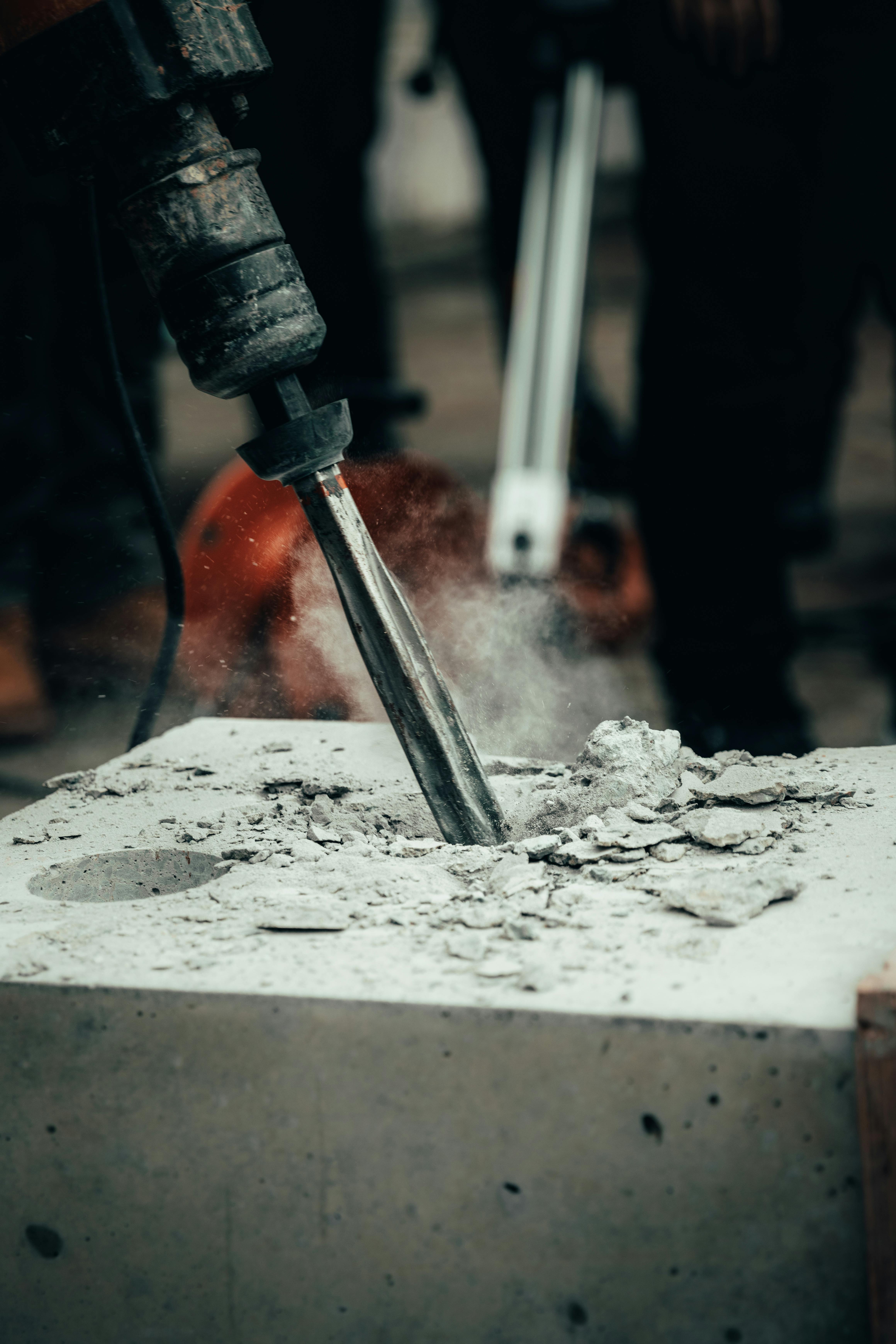
The type and thickness of the material make all the difference. When tackling reinforced materials like concrete, asphalt, or tiles, a higher impact energy (measured in joules) is best for harder, thicker surfaces. Medium to heavy-duty breakers are ideal for these tougher surfaces.
- Project Scale:
For large foundations or thick slabs, choose a heavy-duty breaker. For lighter tasks such as chasing walls or removing tiles, a smaller, more manoeuvrable tool will keep things simple and efficient.
- Accessibility:
Consider where the work is taking place. Indoor and confined spaces often require smaller, electric breakers, while outdoor or heavy-duty sites may be better suited to pneumatic or hydraulic models.
- Chisels & Points:
Choosing the right attachment makes all the difference. Use a Point Chisel for general breaking, a Flat or Wide Chisel for shaping and splitting, and a Clay Spade for digging or trenching through dense soil.
Prioritising Health & Safety
Safety isn't optional in demolition work. Using a breaker effectively means finding the perfect mix of power and control while staying protected. Know the risks, take smart precautions, and you’ll tackle every job confidently and without unnecessary hazards.
The Hazard: Respirable Crystalline Silica (RCS)
Breaking materials like concrete, stone, or brick releases tiny dust particles known as Respirable Crystalline Silica (RCS). Invisible to the naked eye, these particles can penetrate deep into the lungs, leading to serious long-term illnesses such as silicosis, COPD, and lung cancer.
Under COSHH (Control of Substances Hazardous to Health) regulations, managing exposure to RCS is a legal requirement as well as good practice. Employers and operators must take steps to control silica dust on-site.
The solution? Capture dust at the source. This is the most effective way to prevent it from becoming airborne.
- Dust Shrouds & Attachments: Enclose the chisel area to contain dust directly as it’s generated.
- On-Tool Extraction Systems: When paired with an industrial vacuum, these systems draw in dust before it becomes airborne.
These simple steps help protect health, improve visibility, and keep your site fully compliant.
Other Safety Factors
Beyond dust control, always follow key safety measures when using breakers:
- Personal Protective Equipment (PPE): Always wear safety glasses, ear protection, gloves, and sturdy boots.
- Respiratory Protective Equipment (RPE): If dust is present, use an FFP3-rated mask or equivalent.
- Safe Working Practices: Keep cables and hoses clear, ensure good ventilation, and take regular breaks to reduce fatigue.
Breaking Ground the Right Way
Big job or small, the right equipment can transform your demolition project into a smooth, efficient process. At PSM Plant & Tool Hire, our team can help you choose the right breaker for your project depth and working environment, so you’re not overworking the tool - or yourself.
If you’re unsure which breaker to use, our team will walk you through the options and recommend the right fit
Get in touch with our friendly team today to discuss your project and find the ideal breaker for your needs. Call 020 8850 5658 today.